심소미(독립큐레이터, 연구자)
사막의 공백, 백지, 황무지, 황폐함을 통해 프론티어, 개발과 성장, 문명의 전진이라는 인간 중심적 신화를 전개해온 인류에게 사막화의 위기는 신자유주의 시대의 동력으로서 도시와 디지털 기술이라는 두 개의 축을 과제로 두고 있다. 젠트리피케이션의 역사를 전지구적 도시 재편의 질서로부터 파악한 닐 스미스(Neil Smith)는 미국의 도시개발이 ‘인디언의 나라’를 ‘새로운 프론티어’로 변화시키고자 변질시킨 위험한 땅, 황무지, 미개척지 등등에 담긴 자본가적 욕망을 들춘다.1 특히 그는 ‘새로운 프론티어’의 모티브로서 건조환경을 착취하고, 이를 탈바꿈하기 위한 계급적 인종적 목표로서 현재의 도시공간이 조직돼 왔음을 비판적 관점에서 거론한다. 이러한 용감한 도시개척자, 황야를 길들인 현대인의 이미지는 신자유주의 시대의 젠트리피케이션 뿐만 아니라 네옴시티의 사례와 같이 기술유토피아적 비전에 결탁되어 있다. 미국식 성장 신화가 이룩한 황야와 프런티어의 이미지는 네옴에 검은 오일머니의 유토피아로 자리잡으며, 사실상 기술자본주의를 촉진시키는 많은 기업들의 착취적 욕망과도 맞닿아 있다. 또 다른 예로서, 기술가속주의의 환상적 욕망과 성공적 인물로 영향력을 미치고 있는 일론 머스크의 화성 진출 계획인 ‘스페이스X’가 있다. 이렇듯 인류의 우주 정복에 대한 끝없는 욕망은 사막을 통해 새로운 식민지에 도달하고자 하는 꿈 이미지로 담긴다. 구소년의 붕괴 이후 이데올로기의 유토피아가 사라진 오늘날 신자유주의 자본가들이 경쟁적으로 뛰어든 화성 정복은 새로운 식민지이자 정복의 대상으로서 사막을 미래의 시간대로 연장시킨다.
불과 반세기 전까지만 해도 미래를 상상하는 블랙유머와 같았던 아포칼립스적인 풍경은 오늘날 현실이 되고 말았다. 지금으로부터 백 년 전에 등장해 전세계인과 미래를 상상한 전설적인 만화 『땡땡의 모험』(1929-1976) 중 한 시리즈인 『슈팅 스타』(1941-42)는 유성과의 충돌로 인한 세상의 종말을 다룬다. 유성이 지구를 향해 돌진하자 도로의 아스팔트가 녹을 정도로 세상이 뜨겁게 달아오르는 장면이 등장하고, 땡땡은 녹아나는 땅에 발을 딛지 못한 채 “세상의 끝”이라고 사람들에게 다급하게 외친다. 고열로 인해 지구가 녹는 상황은 오늘날 기후위기로 빙하가 녹아내리고, 산사태가 나고, 땅이 갈라지고, 강이 범람하여 가옥을 삼켜내는 성난 지구의 모습과 닮아 있다. 만화에서는 탱탱과 과학자의 노력으로 유성의 파편들이 바다로 향하면서 지구는 위험에서 벗어나게 되나, 오늘날 공상이 실재 재난이 된 세계에 있어서 대안적 사고는 상상조차도 어려운 상황이 되었다.
한 세기 전 디스토피아에서 활약하는 인간의 서사는 90년 대 초까지만 해도 각종 영화의 영웅 캐릭터 서사로 존재하다, 2000년을 넘어가면서 마블 스튜디오로 대표되는 각종 하이브리드 영화에서 장르뿐만 아니라 시간 관념이 뒤섞인 혼성으로 반복돼 오고 있다. 과거도, 현재도, 미래도 아닌 모든 것이 혼재된 시간의 개념은 미래를 상상하는 것에 대한 불가능성이 문화적 증상처럼 드러난다. 문화예술 전반에 걸친 급진적 상상력의 퇴보를 간파한 마크 피셔(Mark Fisher)의 표현을 빌리자면, “지옥같은 리좀 구조로 어느 부분에서 다른 구조로 무너져 내릴 수 있는 연속성”2을 통해 오늘날의 창작이 이어지고 있는 것이다. 그러나 현실은 영화처럼 과거도 돌아갈 수도 시간여행을 할 수도 없기에, 매일 악화되는 재난은 일상을 범람하는 스펙터클이 되어 각종 미디어에서 상영된다. 웹의 확산으로 인해 사용자와 제공자의 경계가 흐트러진 오늘날 재난의 이미지는 디지털시대의 밈이 되어 광활한 OS 사막을 떠돌며 자동반복되는 파국적 유령으로 등장해오고 있다. 복제를 통한 현실의 소외는 최근 인공지능 챗GPT가 상용화되면서 불러 일으킨 기계의 창의성 문제에서 더 극적인 방식으로 드러난다. 인간이 질문하고 기술이 답변을 창의적으로 생성하는 알고리즘은 사실상 데이타셋에 저장된 통제를 무한대로 복제, 편집, 붙여넣기하여 ‘리믹스된 사고관’3을 답변으로 제시하는 방식이다. 모든 답변은 리믹스, 하이브리드, 혼성, 짜집기, 재조합의 결과물로서 복제의 기술을 한층 더 고도화해 보인다. 인공지능의 시대에서 원본은 무수한 통계 데이터로서 숫자로서만 남아있을 것이다. 모든 과거의 통계가 인공지능의 자원이 되어, 앞서서 언급한 피셔의 언어로 하자면 “지옥같은 리좀 구조”로서 재생성되어 드러나는 것이다. 가속화된 디지털세계가 현실을 어떻게 사막화하고 소외 및 분리시키는지에 대한 비평적 성찰과 개입, 그리고 저항의 연대가 절실한 시점이다.
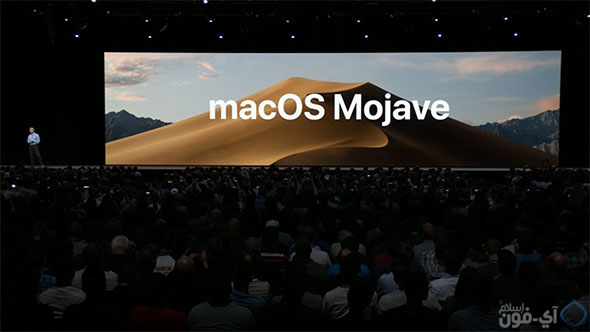
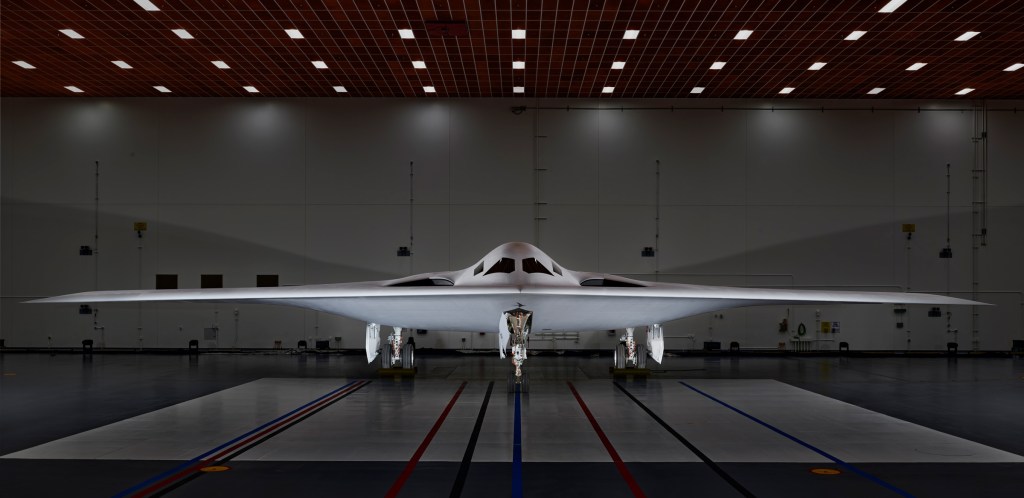
컴퓨터 화면을 마주하며 이 글을 읽고 있는 독자라면, 잠시 자신의 스크린 배경화면으로 돌아가보길 권고한다. 대게 초원과 하늘, 그리고 사막을 기본 배경화면으로 두고 있는 컴퓨터나 스마트폰의 화면에서 흔하게 보는 이미지는 스크린의 무한함, 광할함, 공백을 담고 있다. 내가 이 글을 쓰고 있던 어느날 문득 컴퓨터의 배경화면을 지나치다 깨달은 것은, 하루의 가장 많은 시간을 소요하고 있는 디지털 기기의 표피가 바로 사막의 이미지로 위장하고 있다는 것이다. macOS 운영체제에서 모하비(Mojave)로 불리는 이 사막은 캘리포니아에 존재하는 사막의 이름을 따온 것이며, 배경화면은 실제 사막을 촬영한 이미지로 알려져 있다. 지도앱을 열어 모하비 사막을 찾아가면, 캘리포니아 남동부의 허허벌판 한가운데라는 지정학적 조건을 살펴볼 수 있다. 줌을 하여 지도에 가까이 다가가면 가장 먼저 등장하는 이름이 ‘모하비 공항 및 우주항(Mojave Air and Space Port)’이다. 사실 모하비 사막은 전세계에서 로켓과 위성 실험이 활발하게 이뤄지는 우주실험기지국 위치한 곳으로, 화성에 도달하고자 하는 인류의 욕망에 도전하는 각종 우주산업 스타트업이 모인 미래적 장소로 불리우고 있었다. 이곳에는 연방 공군시설인 ‘플랜트42’도 있었는데, 최근의 타임지 기사에 의하면 전쟁 시 가장 냉혹한 살인 기계로 악명 높은 차세대 스텔스 폭격기가 비밀리에 생산된 곳이라 한다.4 OS 배경화면으로 보이는 평화로운 사막의 이미지 뒤에 있는 현실은 로켓 발사를 위한 반복된 폭발, 최첨단 기술로 가능해진 살인 로봇 병기들이 자리한다. 그렇다면 데스크탑의 이미지는 캘리포니아에 실재하는 사막도, 그것을 사진으로 복제한 사막도 아닌 것이다. 영화 <매트리스>에서 모피어스가 네오에게 건낸 환영사이자 슬라보예 지젝이 책 제목으로 가져온 “실재의 사막에 온 것을 환영합니다!(Welcome to the Desert of the Real!)”를 떠올리지 않을 수 없는 순간이다. 무한 복제된 사막의 실재는 기술 유토피아를 가장한 파국적 미래, 도래할 사막, 산산 조각난 뼈와 살을 기저에 두고 있다. 그것은 새로운 자본의 식민지를 위한 테라포밍과 정복자적 세계관이 지배하는 사막으로써 OS 배경화면에 심어진 것이다.
1 닐 스미스, 『도시의 새로운 프런티어: 젠트리피케이션과 도시강탈』, 김동완 역, 파주:동녘, 2019, 36-43 참조.
2 마크 피셔, 『기이한 것과 으스스한 것』, 안현주 역, 구픽, 2019, 60-69 참조.
3 이에 대한 분석은 아래 집담회에서 생성 인공지능을 “자동화된 창작 리믹스 기계”로 표현한 이광석 교수의 관점을 참조로 하고 있다. 김상규, 양아치, 언메이크랩, 임태훈, 장진승 외, 「특별 집담회 : AI 창의성을 둘러싼 예술의 위기와 가능성」, 『문화/과학』 제114호, 2023 가을, 참조.
4 Exclusive: The Making of the U.S. Military’s New Stealth Bomber, TIME, 2022.11.3 https://time.com/6238168/b-21-raider-bomber-us-military-exclusive/
# Desert Story 2-2: New Frontier and the Digital Desert
Somi Sim (Independent Curator, Researcher)
Having developed a human-centered myth of the frontier, development and expansion, and the advancement of civilization on a blank slate, humanity stands at the crossroads of seeing the challenge of the crisis of desertification in two axes – driving force of the neoliberal era and digital technology. Neil Smith, who traces the history of gentrification with the order of global urban reorganization, explains that American urban development was transforming “Indian Country” into a “new frontier” by turning it into dangerous land, wasteland, and unexplored land. In other words, he unmasks the capitalist desires contained within.1 In particular, he critically analyzes the exploitation of the built environment under the disguise of the “new frontier” motif and the organization of current urban space with particular agendas driven by class and racial goals. The images of brave urban pioneers and modern people who tamed the wilderness are linked not only to gentrification in the neoliberal era but also to a technological utopian vision, as in the case of Neom City. Establishing itself as a black oil money utopia with the imagery of American expansionist history of wilderness and frontier, the initiative closely aligns with the exploitative desires of many corporations that promote technological capitalism. Another example is Elon Musk who is a successful figure who symbolizes a phantasmagoric desire of technological accelerationism with his plans to reach Mars, “Space X”. As such, humanity’s endless desire to conquer space is captured also in the image of a dream reaching a new colony through the desert. Today, after the collapse of the former Soviet Union, the ideological utopia has disappeared, and neoliberal capitalists are competing to conquer Mars, extending the desert into the future as a new colony and object of acquisition.
The apocalyptic landscape that was taken as a subject of black comedy just half a century ago has now become a reality. Shooting Star (1941-42), a series from the legendary comics, The Adventures of Tintin (1929-1976) from almost a hundred years ago that imagined people and the world of the future, is about the end of the world caused by a collision with a meteor. As a meteor rushes toward the Earth, the world becomes so hot that the asphalt on the road melts, and Tintin, unable to set foot on the melting ground, urgently shouts to people, “It’s the end of the world.” The imaginary scenario in which the Earth is melting from high heat is similar to today’s climate crisis, in which glaciers are melting, landslides are frequent, the ground cracks, and rivers overflow and swallow up houses. In the cartoon, thanks to the efforts of Tang Tang and the scientist, the Earth escapes danger as the meteor fragments head towards the sea, but in today’s world where fantasy has become a real disaster, alternative thinking has become difficult to even imagine.
The narrative of humans thriving in a dystopia of a century ago existed as heroic characters in various films until the early 1990s. As the years passed, it became a mixture of not only genres but also notions of time in various films, best known by those of Marvel Studios. The concept of time as a mixture of everything that is neither the past, present, nor future, touches on the impossibility of imagining a future like a cultural plague. To borrow the expression of Mark Fisher who noticed the decline of radical imagination in arts and culture, today’s creation continues through “a hellish rhizome in which any part can potentially collapse into any other.”2 However, in reality, we cannot go back to the past or travel in time as in movies, so disasters that worsen every day become a spectacle that floods our daily lives and is shown through various media. As the boundaries between users and providers have become blurred with the easily accessible web, images of disaster have become memes in the digital age, appearing as catastrophic ghosts that repeat themselves as they wander the vast OS desert. Alienation from reality through replication is shown more dramatically in machine creativity brought about by the recent commercialization of artificial intelligence, ChatGPT. The algorithm in which humans ask questions and technology creatively responses is in fact a method of infinite replication, editing, and pasting the controls stored in the data set only to produce “remixed way of thinking”3 as its answer. All correspondences are the result of remix, hybrid, hybridization, combination, and recombination, and seem to further advance the technology of reproduction. In the era of artificial intelligence, the original will remain only as a set of numbers in the midst of countless statistical data. In other words, all past statistics become resources for artificial intelligence and are reproduced and displayed as a “hellish rhizome structure,” to use Fisher’s language mentioned earlier. It is a time when critical reflection, intervention, and solidarity that resists are urgently needed to understand how the accelerated digital world deserts, alienates, and separates us from reality.
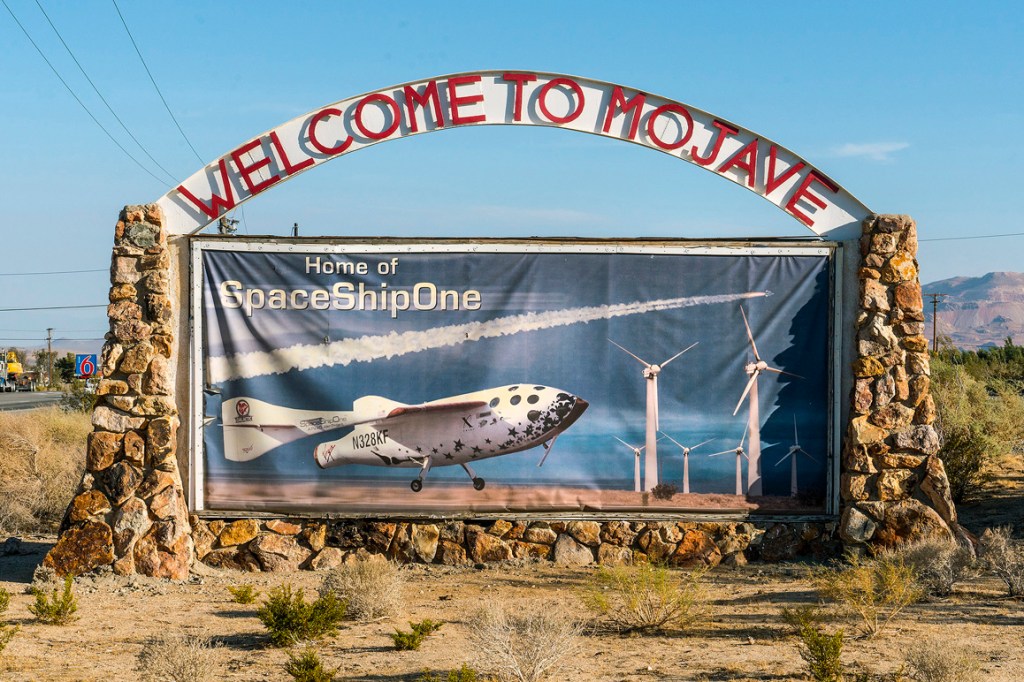
If you are reading this on your computer screen, I recommend that you take a moment to go back to your wallpaper. The images commonly seen on computer or smartphone screens, which usually have grasslands, sky, and desert as their default wallpapers, contain the infinity, vastness, and blankness of the screen. While I was writing this one day, I was looking at my computer’s wallpaper and realized that the surface of the digital device on which I spend most of my day was disguised as an image of a desert. This desert, called Mojave in the Mac OS, is named after a desert in California, and the wallpaper is known to be an image of an actual desert. If you open the map application and go to Mojave Desert, you can take a look at the geopolitical conditions of it being in the middle of an empty plain in southeastern California. When you zoom in and get closer within the map, the first name that appears is “Mojave Air and Space Port.”
In fact, Mojave Desert is where the space experiment base station is and where rocket and satellite experiments are actively conducted from around the world; it has been called a futuristic place where various space industry startups gather to realize humanity’s desire to reach Mars. There was also a federal air force facility called “Plant 42,” and according to a recent Time magazine article, this is where the next-generation stealth bomber, notoriously known as the most ruthless killing machine during wartime, was secretly produced.4 The reality behind the image of a peaceful desert seen as an OS background is actually repeated explosions for rocket launches and production of murderous robot weapons made possible by cutting-edge technology. If so, one wonders, the wallpaper image is neither the actual desert in California nor a photo-replicated desert. In this sense, we cannot help but recall the welcoming speech given by Morpheus to Neo in the movie “Matrix,” borrowed from the title of Slavoj Zizek’s book when he says, “Welcome to the Desert of the Real!” The infinitely replicated desert’s reality is built on a catastrophic future disguised as a technological utopia, a desert of the future, and shattered bones and flesh. As a desert subjugated by capitalist colonial thirst to terraform and conquer, we find it planted on the OS wallpaper.
Translated by Seorim Kim
1 Smith, Neil. The New Frontier of the City: Gentrification and Urban Dispossession. Translated by Dong Wan Kim, Paju: Dongnyeot. 2019. 36-43.
2 Fisher, Mark. The Weird and the Eerie. Translated by Hyeonju Ahn. Gufik Publication. 2019. 60-69.
3 The analysis of this refers to that of Professor Kwangseok Lee, who described generative artificial intelligence as an “automated creative remix machine” during the meeting below. Sang-gyu Kim, Yangachi, Unmake Lab, Tae-hoon Lim, Jin-seung Jang, et al., “Special Meeting: Crisis and Possibilities of Art Surrounding AI Creativity,” Culture/Science No. 114, Fall 2023.
4 Exclusive: The Making of the U.S. Military’s New Stealth Bomber, TIME, 2022.11.3 https://time.com/6238168/b-21-raider-bomber-us-military-exclusive/

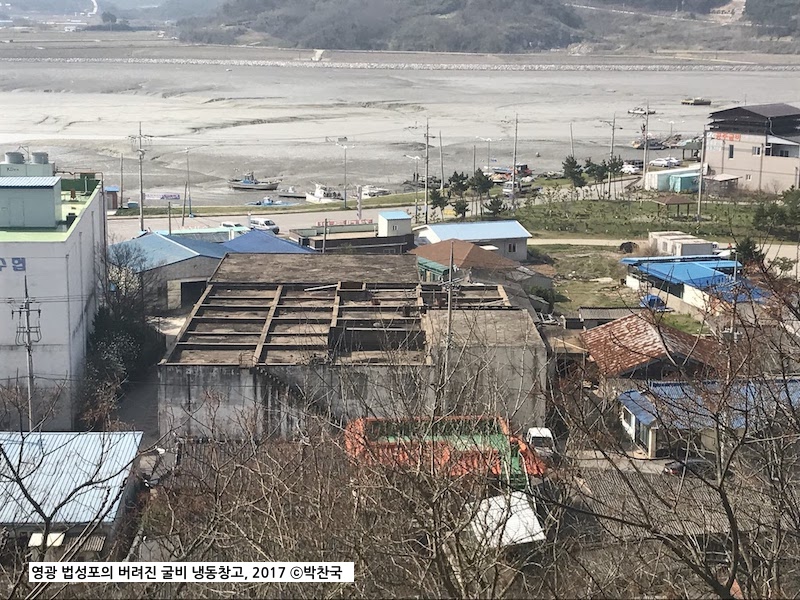
 URBAN DESERT / OS DESERT